
CAUSE - CO2 AND CLIMATE CHANGE

CAUSES OF CLIMATE CHANGE
causes, global warming, climate change, anthropogenic

CO2 AND CLIMATE CHANGE

The most well-known and the most important greenhouse gas is CO2. The concentration of CO2 in the atmosphere is subject to variation even without human intervention. The carbon cycle causes an exchange of CO2 between the biosphere and the oceans on the one hand and the atmosphere on the other.
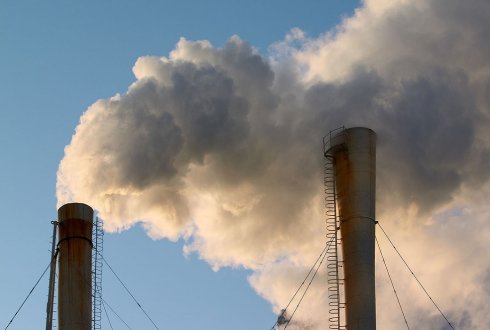
Vast amounts of CO2 are also released by the burning of fossil fuels. there is incontrovertible evidence that the CO2 concentration in the air has never been so high in 8,00,000 years(probably even 60 million years) as it is now.
The trend suggests that CO2 emissions will continue to rise globally, although the economic crisis did prevent a rise in 2009. 
Besides CO2, methane (CH4), nitrous oxide (N2o), fluorinated gases, ozone (O3) and water vapour are important greenhouse gases. Water vapour plays a unique role as it strengthens the heat-trapping effect caused by other greenhouse gas emissions.
This is because a warmer atmosphere retains more water. The amount of water vapour cannot be artificially increased or decreased.
m2f6mjq4.jpg

Comments

Post a Comment

Popular posts from this blog

Deforestation increases the Earth's temperature- 1

Deforestation increases the Earth's temperature Deforestation results in an increase in CO2 and other green house gases, which increases the Earth's temperature Trees plays a vital role in the equilibrium of the ecosystem. Deforestation is a process of cutting trees to make space for industries and households of the ever increasing human population. Excessive cutting of trees for urban use and other purposes are harmful to the environmental balance. It is needless to say that deforestation has several adverse effects on the environment. One of the major disadvantage of deforestation is that it disrupts the water cycle. Trees are responsible for drawing up water from the soil and releasing moisture into the atmosphere. Deforestation causes a disturbance in the water cycle and makes the environment drier. Climate change is a severe outcome of the excessive cutting down of trees. Forests lock up atmospheric carbon during the process of photosynthesis. Trees contain a m...

causes of global warming

What causes global warming? Global warming occurs when carbon dioxide (CO2) and other air pollutants and greenhouse gases collect in the atmosphere and absorb sunlight and solar radiation that have bounced off the earth’s surface. Normally, this radiation would escape into space—but these pollutants, which can last for years to centuries in the atmosphere, trap the heat and cause the planet to get hotter. That's what's known as the greenhouse effect. the burning of fossil fuels to make electricity is the largest source of heat-trapping pollution, producing about two billion tons of CO2 every year. Coal-burning power plants are by far the biggest polluters. The country’s second-largest source of carbon pollution is the transportation sector, which generates about 1.7 billion tons of CO2 emissions a year. Reducing the amount of electricity generated from coal and gas and increasing the amount of electricity from clean, renewable energy sources like solar and wind, mea...

Climate Change

CLIMATE CHANGE WHAT IS IT? Climate change is a change in the distribution of weather patterns when that change lasts for an extended period of time. Climate change may refer to a change in average weather conditions, or in the time variation of weather within the context of longer-term average conditions. Climate change is caused by factors such as Biotic processes, variations in solar radiation received by Earth and Volcanic eruptions. Certain human activities have been identified as primary causes of ongoing climate change, often referred to as Global warming. The term "climate change" is often used to refer specifically to anthropogenic climate change(also known as global warming). Anthropogenic climate change is caused by human activitiy, as opposed to changes in climate that may have resulted as part of earth's natural process. Climate change, also called global warming, refers to the rise in average surface temperatures on Earth. An overwhelming scientific...